
The Secret Garden
16th September - 31st October 2026
The gallery is excited to present The Secret Garden, an exhibition of contemporary painting titled after the 1911 novel by Frances Hodgson Burnett.
The novel, of which the primary premise is the restorative qualities of nature, adopts a surprising narrative structure. Characters come and go with the seasons which are manifest in the garden, and the novel strikes a pertinent note here: the climate and condition of the garden mirrors that of human life. It is apt in contemporary discourse, then, that we see and study how artists tackle this subject, of nature, which has occupied the arts since their inception.
Dan Coombs presents an outright vision of Arcadia. A graceful 2013 painting Figures is laden with voluptuous forms: figures are distorted and contorted in a pervasive landscape of life-giving green. Space unfolds spontaneously as the foreground meets the background while the middle ground flanks both. This is the excitement of life and its possibilities.
Emily Wilcock shows one uninhibited drawing. Her shape-shifting subject, shooting into focus from the bottom right corner, is at times a face in profile and at others a flower, an egg, butterflies, or birds. Perhaps this dendriform figure can be no closer to the premise of the novel - one in which the boundary between the human and the natural world is in flux.
A similar premise applies to the painting Total Honeycomb by Finlay Abbott Ellwood. Offering an oblique and coded look at the natural, the painting’s abstracted forms meet on this banded canvas which in some microscopic way resembles the mass of hexagonal cells from which the work’s title is derived. Otherwise harbouring honey, these cells here harbour knowledge. A loosely articulated figure experiences a ‘eureka!’ moment as he harvests information from the ground beneath him.
Equally, in the two nocturnes presented by Rose Jones we see and feel a similar kinship between man and nature. Figures, isolated from others, walk and explore, inviting splendours and uncertainties - surrendering to the richness of the natural world whether it be in scale, form, texture, or tone. These are tender paintings of a grounding and meditative nature, speaking not only to the solace and calm nature can provide, but also the solitude of being a painter.
By contrast, Lilah Yektai is expressive and excited beyond boundaries in her 2026 painting White Dress, Hampstead Heath. The surface, composed of various canvas scraps interwoven by the artist, harbours paint dynamically applied so as to capture, like in Figures by Dan Coombs, precisely what it is like to be in a moment rather than a recollection of one from the outside. This painting, of the artist traversing a field of wild grasses is at once bountiful and beautiful, offering the experience and textures of the wilderness, as it is bucolic: like Rousseau says, it is in this pastoral landscape that we can explore and question natural versus artificial states. Charlotte Wilmont’s work, namely photographs drawn over using oil-based crayons, provide a focus like no other in the exhibition. Dominating the picture plane and absorbing the eye, these close-cropped flowers, accented by ‘painterly’ intervention, compel the viewer to accept their message. The message of the flower, like the message of art, is itself.
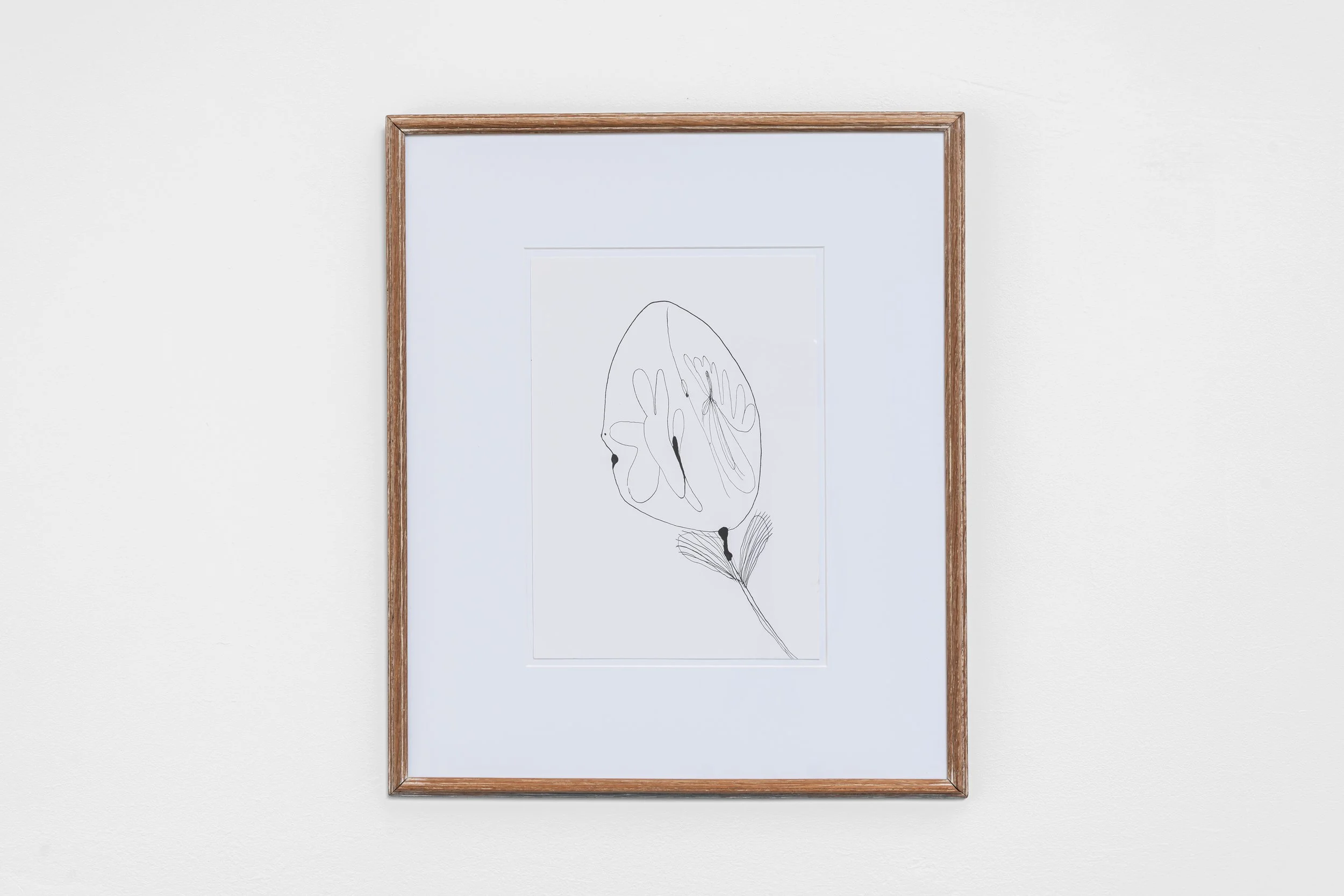
Emily Wilcock, 'Bud', 2026, ink on paper, 50 x 42 (framed)
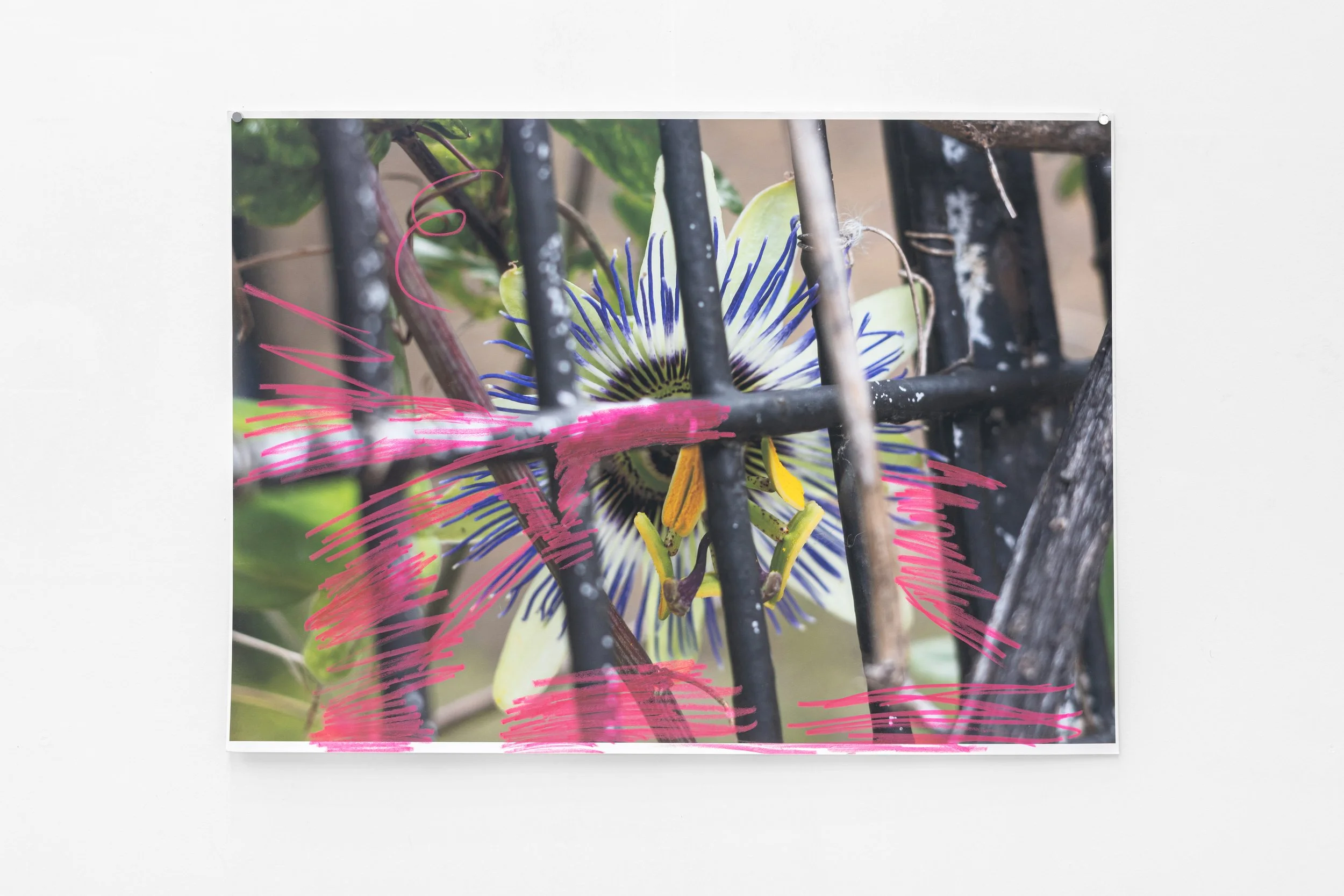
Charlotte Wilmont, 'Passion Flower', 2026, oil pencil on inkjet print, 61 x 85 cm
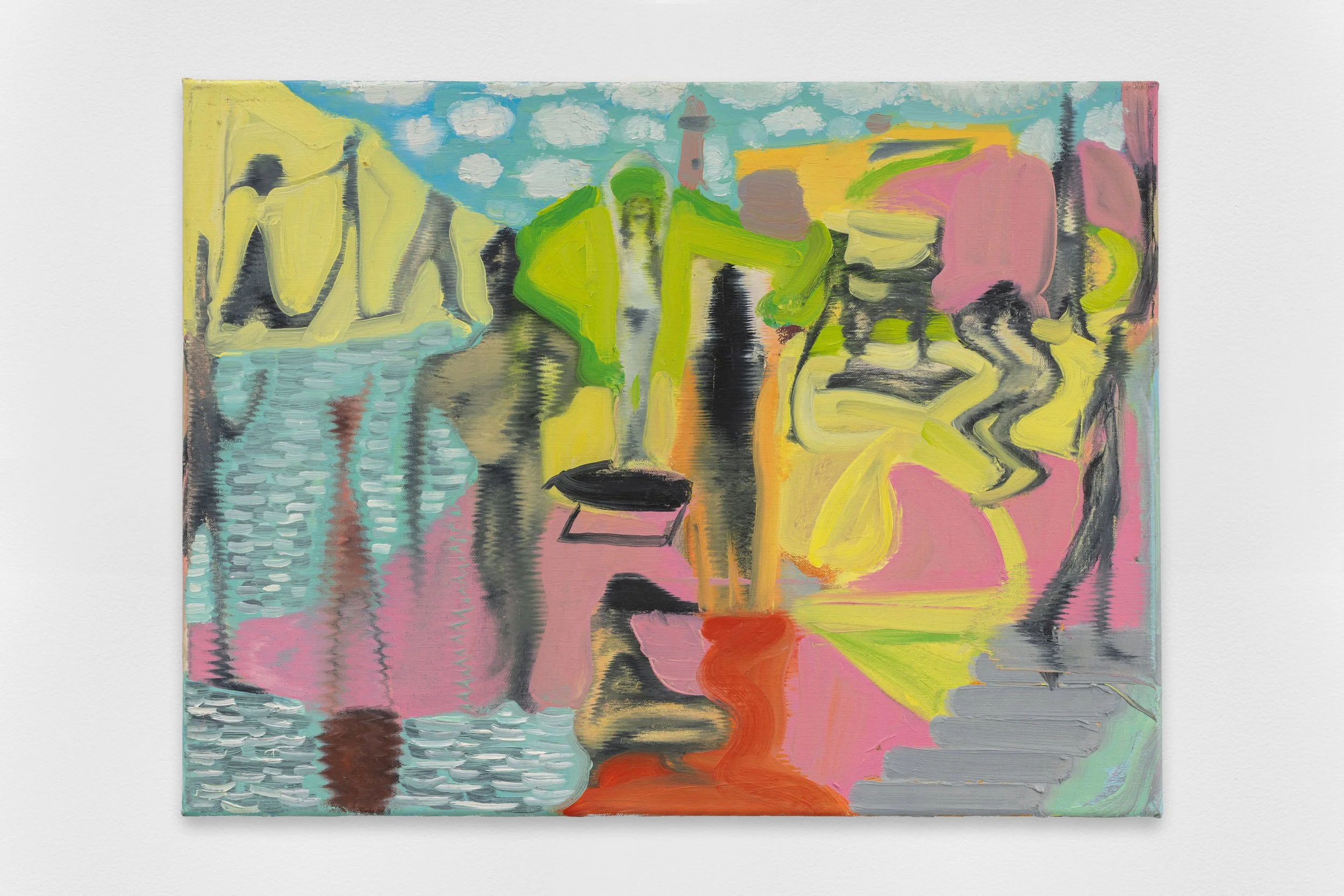
Dan Coombs, 'Figures', 2017, oil on canvas, 45.5 x 60.5 cm
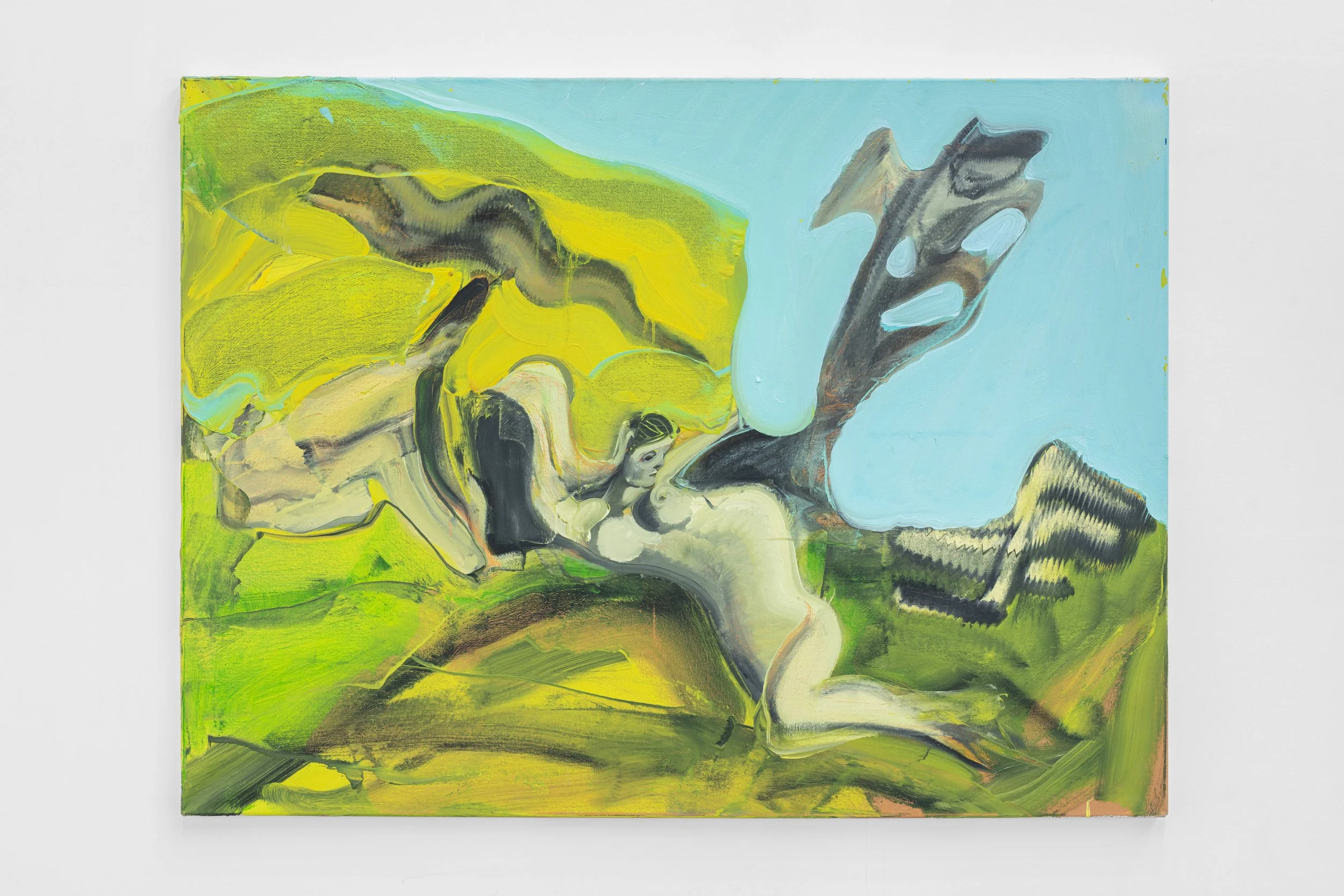
Dan Coombs, 'Figures', 2013, oil on canvas, 91 x 122 cm
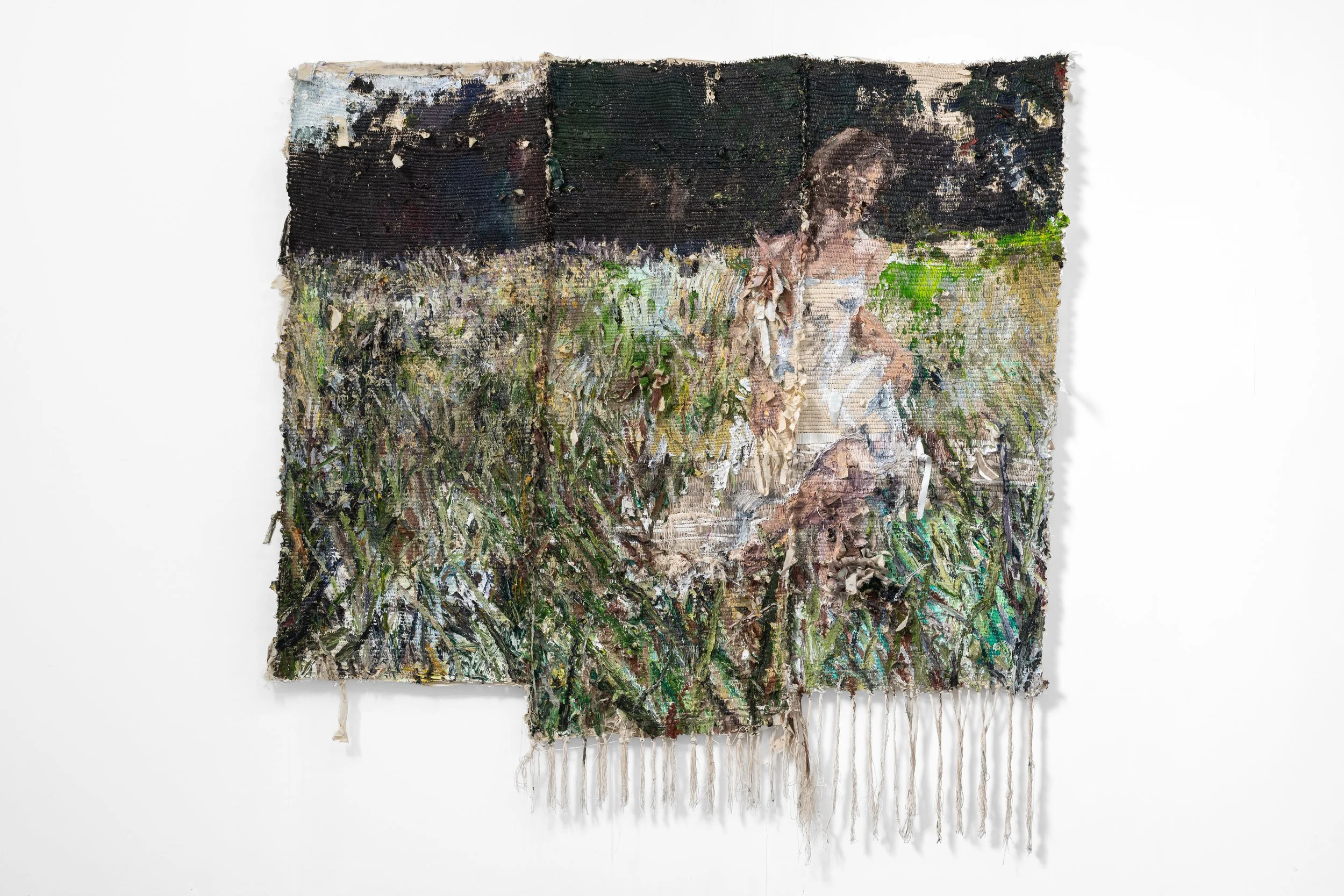
Lilah Yektai, 'White Dress, Hampstead Heath', 2026, oil on woven fabric mounted on canvas, 200 x 197 cm
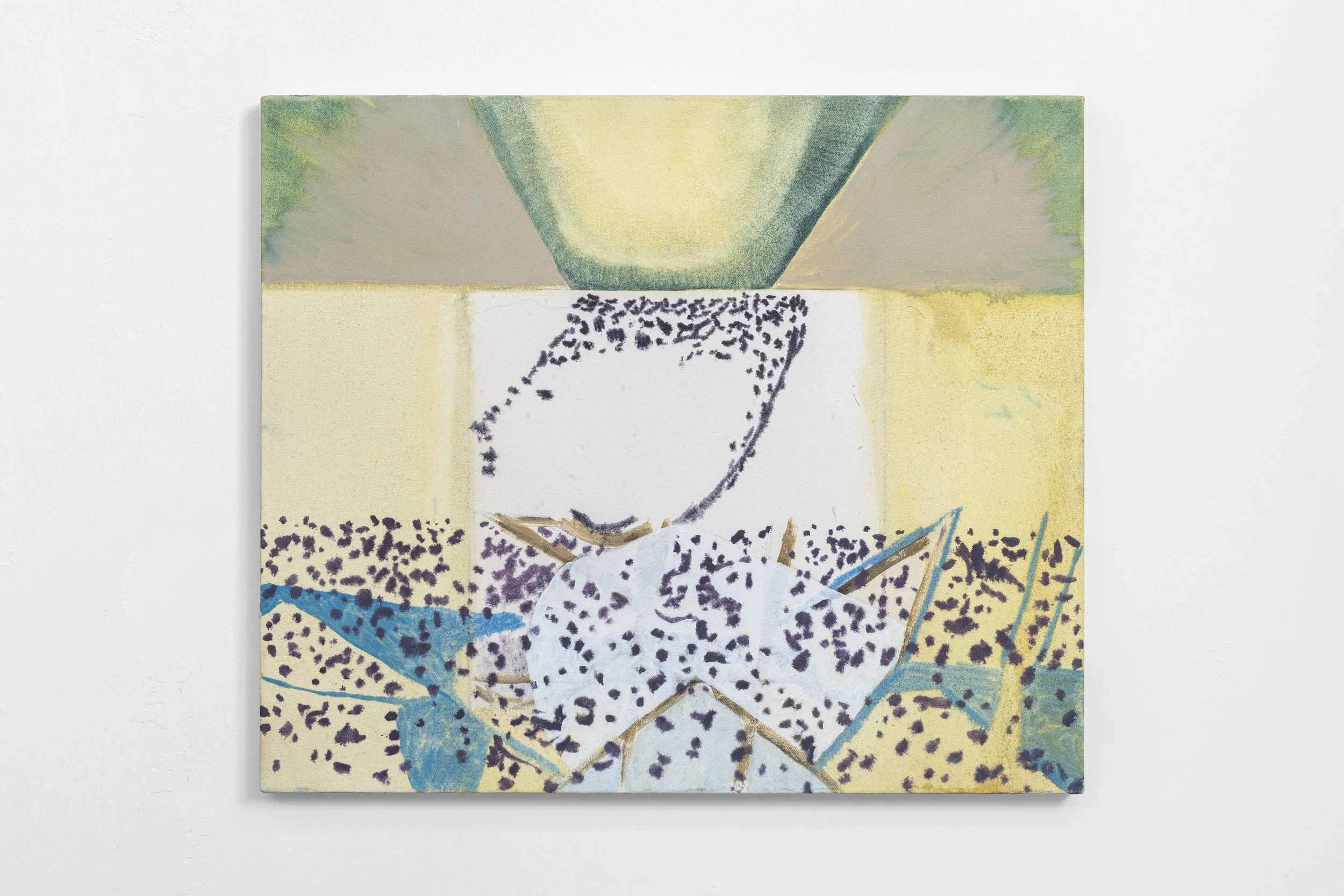
Finlay Abbott Ellwood, 'Total Honeycomb', 2021, oil on canvas, 56 x 66 cm
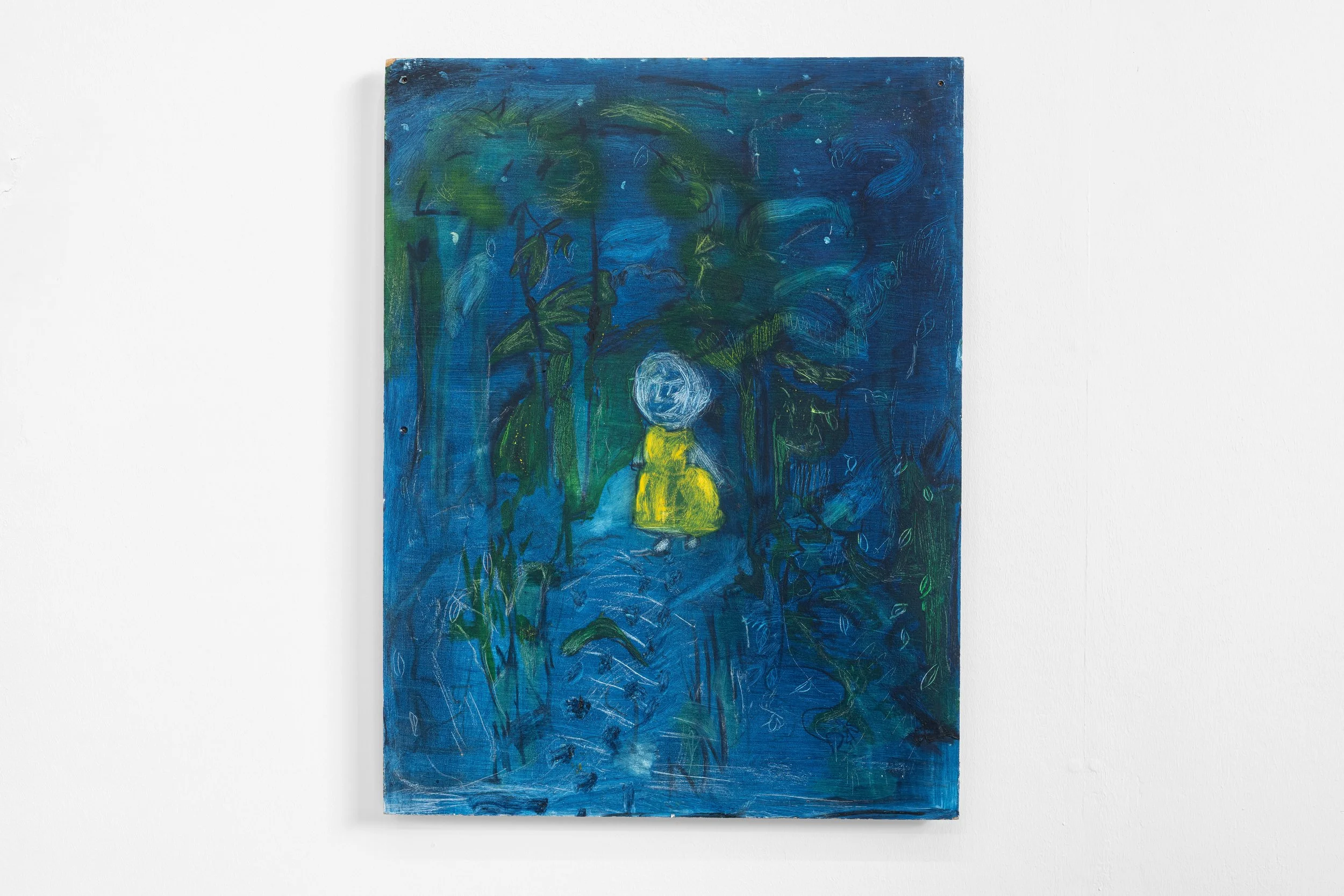
Rose Jones, 'Wandering Women', 2024, oil on MDF, 76 x 58 cm
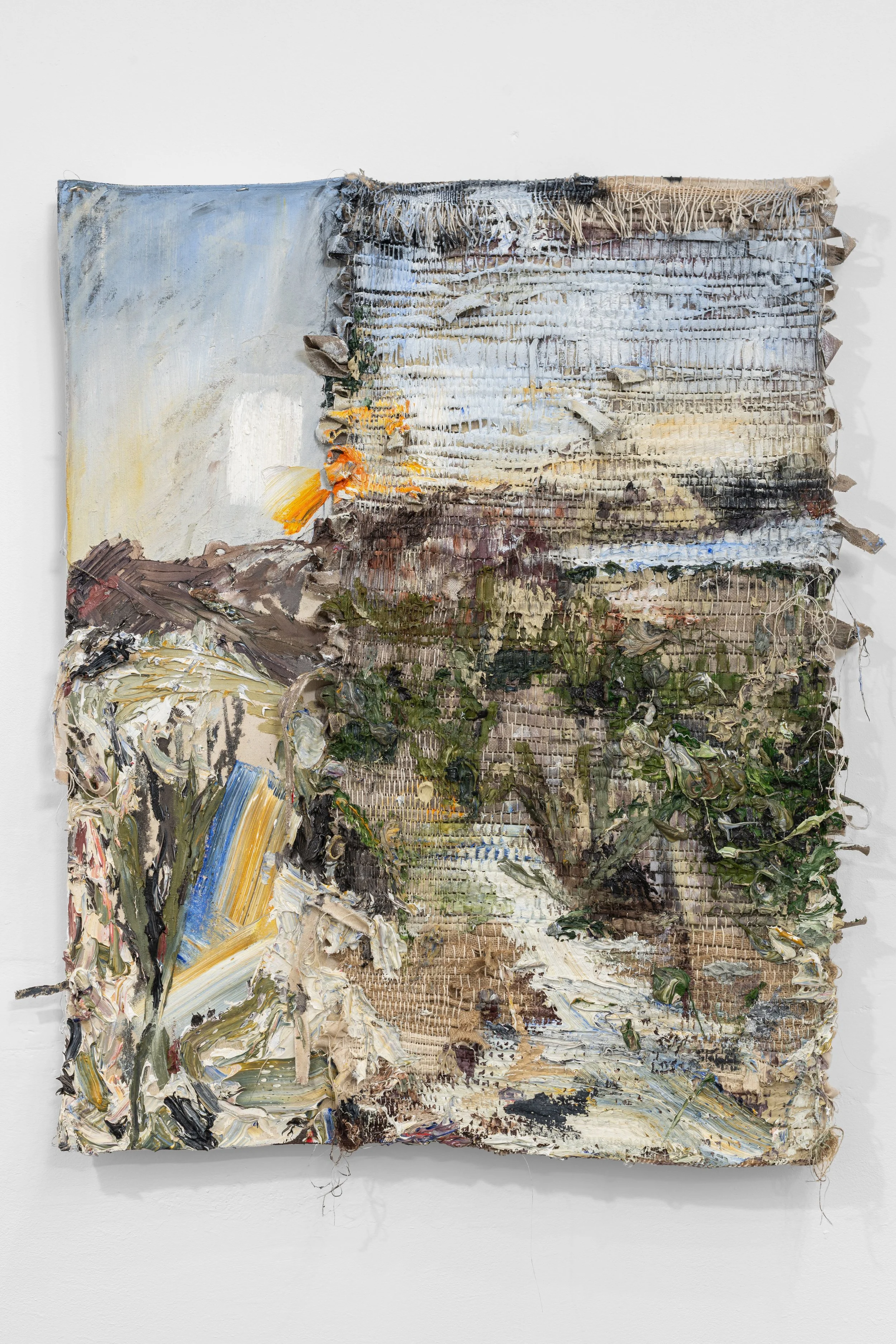
Lilah Yekati, 'Beach Dunes', 2026, oil on woven fabric mounted on canvas, 84 x 64 cm
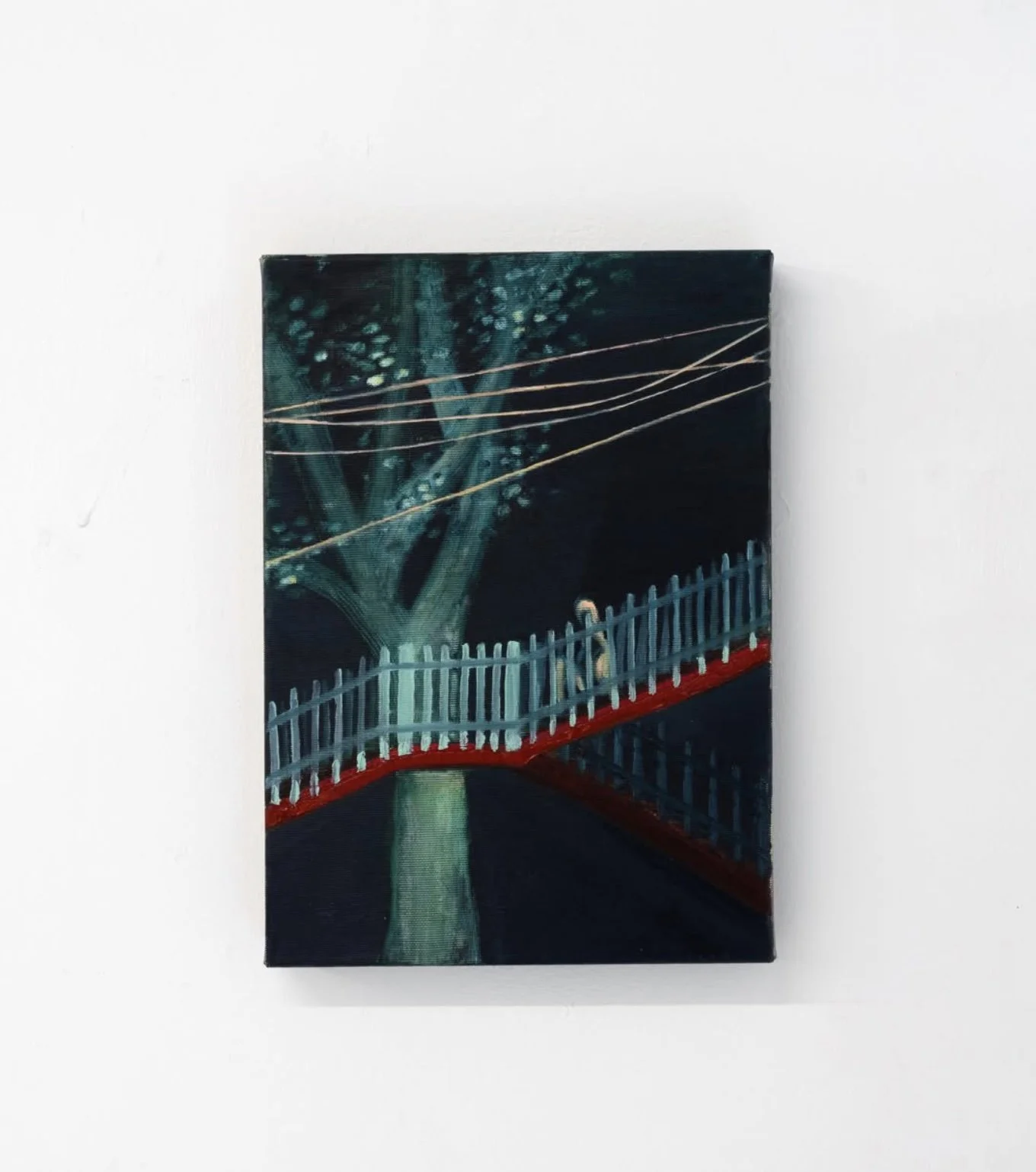
Rose Jones, 'Resting Place', 2026, oil on canvas, 35 x 25 cm